
How Paint Shields Your Home From Rain, Sun, Wind, and Temperature Swings
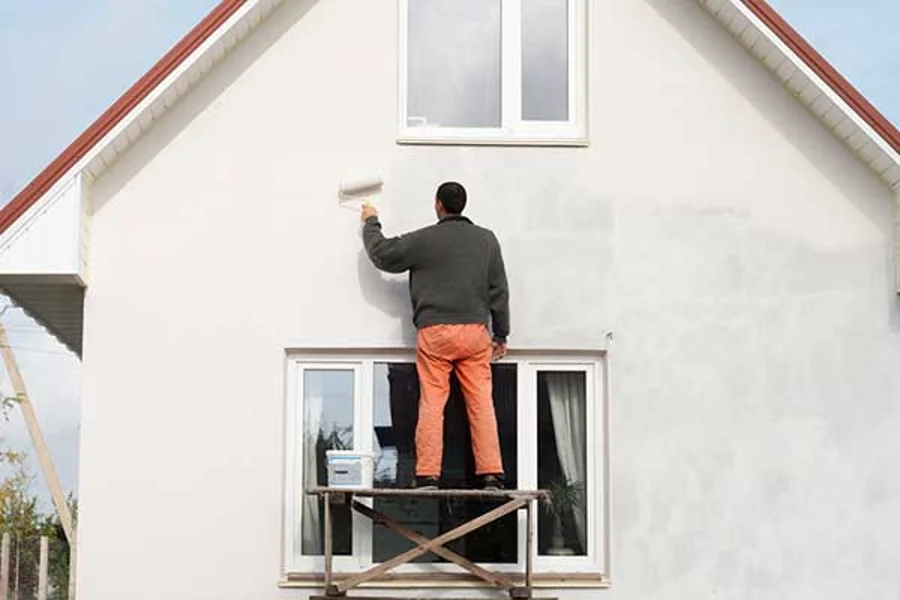
exterior painting plays a key part in guarding your home against harsh weather. A strong paint system acts like a shield. It blocks rain from soaking into wood, reflects sun that can fade and crack surfaces, and helps siding handle hot and cold swings. When done right, it slows wear and helps your home last longer.
Why Prevention Matters
Your home’s outside faces the weather every day. Rain hits the siding. Sun beats down on trim. Wind pushes dust and debris against walls. Over time, bare or failing paint lets moisture seep in. That leads to rot, mold, and peeling boards. Good exterior painting seals small cracks and keeps water out before damage starts.
In places with heavy storms or strong summer heat, this layer of protection matters even more. Paint is not just about color. It is part of your home’s defense system.
Early Warning Signs of Trouble
Small signs often show up before big damage happens. Walk around your home at least twice a year and look for:
- peeling or bubbling paint
- faded or chalky surfaces
- cracks in caulk around windows and doors
- soft or dark spots on wood siding
- rust stains on metal areas
These signs mean your current paint layer may no longer be keeping water out. Taking action early costs less than replacing siding or trim.
Seasonal Maintenance Checklist
Simple routine care helps your exterior painting last longer. Here is a basic checklist to follow each year:
- clean siding with a gentle wash to remove dirt and mildew.
- inspect caulk lines and reseal gaps where needed.
- scrape and touch up small peeling spots.
- trim back bushes and trees touching the house.
- check gutters and downspouts to keep water flowing away.
These small steps reduce moisture build-up and surface stress. Clean, dry surfaces help paint stay bonded and strong.
Best Practices for Long-Term Results
Not all exterior painting jobs perform the same. Prep work makes a big difference. Surfaces must be clean, dry, and free of loose paint before new coats go on. Primer should match the surface type, whether wood, fiber cement, brick, or metal.
Quality paint also matters. Products made for outdoor use stretch and flex with temperature changes. This helps prevent cracking during cold winters and blistering in hot summers. Applying the right number of coats builds a solid barrier against water and sun.
Even color choice plays a role. Lighter shades reflect more sunlight, which may reduce heat stress on siding. Dark colors can look bold, but they may fade faster under strong UV rays.
What Not to Do
Some shortcuts can weaken your home’s defense against weather. Avoid these common mistakes:
- painting over damp or dirty surfaces
- skipping primer on bare wood
- using interior paint outside
- ignoring small cracks and gaps
- waiting too long between repainting cycles
Painting over problems traps moisture inside walls. That can lead to peeling within a year or two. Taking time to fix minor issues first helps the new paint job last.
When to Schedule Professional Help
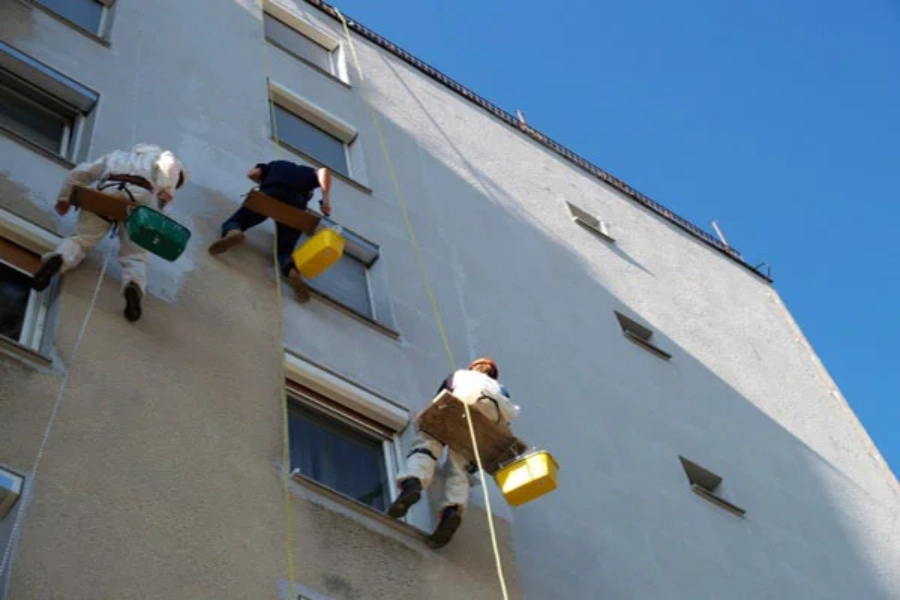
Some homes need more than simple touch-ups. If you see widespread peeling, wood rot, or water stains inside your home, it may be time for a full exterior painting project. Homes taller than one story or with steep angles also pose safety risks for DIY work.
A trained crew can spot hidden damage, replace compromised boards, and apply coatings evenly. They also know how local climate patterns affect drying times and product choice. This leads to longer-lasting results and better protection from the elements.
Protect Your Home for the Long Run
If your siding is fading, cracking, or showing signs of wear in Hendersonville, NC, it may be time to refresh its protection. At HB Pro Painting LLC, we provide thorough prep work and high-quality exterior painting built to handle tough weather. Call us at (803) 769-4323 to schedule an inspection and let us help protect your home season after season.